Digital Scale App: Complete Guide to Smart Weight Measurement, Tracking, and Digital Health Monitoring
The way people measure and understand weight has changed significantly as mobile technology becomes integrated into everyday tools. Traditional physical scales that only displayed a number have gradually evolved into connected measurement systems capable of recording history, analyzing trends, and providing deeper insights through smartphone applications.
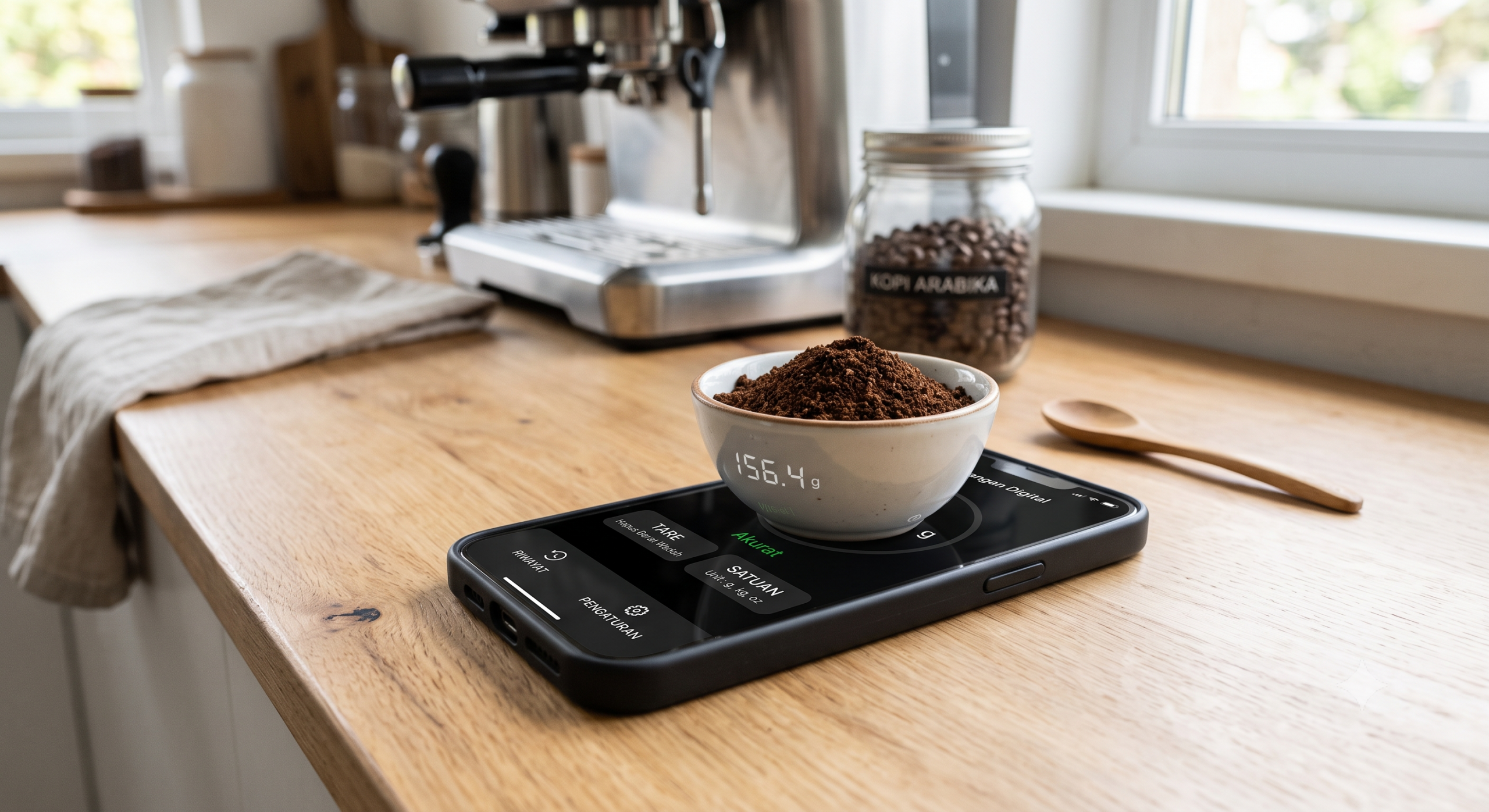
A digital scale app represents this transition from simple measurement toward intelligent data management. Instead of viewing weight as an isolated result, modern applications help users understand patterns over time, compare changes, organize personal records, and connect measurements with broader health or lifestyle goals.
However, digital weighing technology is often misunderstood. A smartphone application cannot replace the physical sensors required to measure weight. In most cases, the app works together with a compatible digital scale, using Bluetooth or wireless connections to collect and interpret measurement data. The quality of the experience depends on both hardware accuracy and software capabilities.
Understanding how these systems operate requires looking beyond the idea of a convenient weight tracker. Digital scales exist within a larger ecosystem involving sensors, mobile platforms, data synchronization, personal analytics, privacy considerations, and user behavior.
Understanding “Digital Scale App”
A Digital Scale App is a mobile application designed to receive, organize, and analyze measurement data from digital weighing devices. These applications commonly connect with smart scales that use sensors to capture weight information and transfer results to smartphones.
Unlike traditional scales, connected systems can provide additional information such as the following:
- Weight history
- Progress trends
- Measurement records
- Body composition estimates
- User profiles
- Goal tracking
- Health-related data visualization
The purpose of these applications is not simply recording a single measurement. Their primary function is transforming repeated measurements into understandable information.
The Relationship Between Hardware and Software
A common misunderstanding is that the application itself measures body weight. In reality, measurement begins with physical hardware.
A typical smart scale system includes the following:
- Load sensors that detect pressure
- Electronic components that process measurements
- Wireless communication modules
- Mobile software that displays and analyzes results
The application acts as the digital interface between the user and the measurement device.
Without accurate hardware, advanced software features cannot create reliable results.
Common Misunderstandings About Digital Scale Applications
One misconception is that more data always means better health decisions. Additional metrics can be useful, but excessive information may create confusion if users do not understand what the measurements represent.
Another misunderstanding involves body composition estimates. Many smart scales provide indicators such as body fat percentage, muscle mass estimates, or water levels. These values are calculated through algorithms and electrical measurements, meaning they should generally be interpreted as trends rather than absolute medical assessments.
The value of digital measurement comes from consistency, context, and long-term observation rather than a single number.
Deep Contextual Background: The Evolution of Digital Weight Measurement
Weight measurement has existed for centuries, but the purpose and technology behind scales have continuously changed.
Traditional Mechanical Scales
Early scales relied on mechanical systems using springs, balances, and physical indicators.
Their primary function was simple:
- Measure weight
- Display results
- Require manual recording
Users had to remember previous measurements or write them down separately.
Electronic Scale Development
Electronic scales introduced:
- Digital displays
- Improved precision
- Smaller designs
- Faster measurements
These improvements made personal weighing more convenient.
The Connected Health Era
The introduction of smartphones transformed scales into connected devices.
Modern systems added:
- Automatic data storage
- Wireless synchronization
- Progress visualization
- Multi-user support
- Integration with health platforms
The evolution reflects a broader movement from isolated devices toward connected personal technology.
Conceptual Frameworks and Mental Models
1. The Measurement Accuracy Framework
The foundation of any digital scale system is measurement reliability.
Important factors include:
- Sensor quality
- Calibration
- Surface placement
- User consistency
Limitation
Even high-quality devices can produce variation due to environmental conditions and measurement methods.
2. The Trend Analysis Framework
Digital tracking becomes more valuable when viewed over time.
Instead of focusing on:
“Did weight change today?”
Users can examine:
“How has the pattern changed over several weeks or months?”
Limitation
Trends require consistent measurement habits.
3. The Behavior Framework
Data can influence habits by making progress visible.
Examples:
- Regular monitoring
- Goal tracking
- Awareness of patterns
Limitation
Data alone does not create behavioral change.
4. The Personalization Framework
Many applications allow multiple users and customized profiles.
Benefits include:
- Individual histories
- Personalized goals
- Separate tracking
Limitation
Personalization depends on accurate user information.
Key Categories and Variations of Digital Scale Applications
| Category | Main Purpose | Advantages | Limitations |
|---|---|---|---|
| Basic Weight Tracking Apps | Record weight measurements | Simple and easy to use | Limited analysis |
| Smart Scale Companion Apps | Connect with digital scales | Automatic synchronization | Requires compatible hardware |
| Fitness Tracking Apps | Combine weight with activity data | Broader health overview | More complex ecosystem |
| Body Composition Apps | Analyze additional metrics | More detailed insights | Estimates may vary |
| Family Health Tracking Apps | Support multiple users | Shared management | Requires profile accuracy |
| Professional Monitoring Apps | Support structured programs | Organized reporting | Often requires specialized use |
| Lifestyle Management Apps | Combine nutrition and weight data | Holistic tracking | More user input required |
Choosing the Right Application Type
The best option depends on the user’s objective.
Someone who only wants weight history may need a simple tracking solution.
A user interested in broader lifestyle monitoring may benefit from integration with fitness and nutrition platforms.
For households with multiple users, profile management becomes more important than advanced analytics.
Detailed Real-World Scenarios
Scenario 1: Personal Weight Tracking
A user wants to understand long-term weight changes.
The application helps by:
- Recording measurements automatically
- Showing progress charts
- Reducing manual tracking
Potential limitation: Daily fluctuations may create unnecessary concern if interpreted without context.
Scenario 2: Fitness Program Monitoring
A person follows a structured exercise routine.
Useful features include:
- Historical comparisons
- Body composition trends
- Goal tracking
Failure risk: Users may focus too heavily on scale numbers while ignoring other indicators of progress.
Scenario 3: Family Household Usage
Several people share one smart scale.
Important considerations:
- Individual profiles
- Automatic recognition
- Privacy settings
Potential issue: Incorrect user identification can affect measurement records.
Scenario 4: Limited Storage or Device Compatibility
Some users have older smartphones.
Challenges include:
- Application compatibility
- Bluetooth support
- Operating system requirements
Scenario 5: Lifestyle Data Integration
A user connects weight information with other health applications.
Benefits:
- Broader personal insights
- Combined activity information
Risk: More connected systems require greater attention to privacy management.
Planning, Cost, and Resource Dynamics
Digital measurement systems involve both direct and indirect costs.
| Factor | Typical Range | Impact |
| Device cost | Low to premium range | Depends on sensor quality and features |
| Application cost | Free to subscription-based | Depends on advanced functions |
| Setup time | Minutes to longer configuration | Depends on ecosystem complexity |
| Maintenance effort | Occasional | Requires updates and calibration |
The cost consideration is not only financial. Users also invest time in maintaining consistent measurement habits and interpreting information correctly.
Tools, Features, and Support Systems
1. Bluetooth Synchronization
Allows automatic transfer of measurements.
Limitation: Connection reliability varies between devices.
2. Cloud Data Storage
Provides backup and access across devices.
Limitation: Requires account management and privacy awareness.
3. Progress Charts
Visualize changes over time.
Limitation: Charts require proper interpretation.
4. Multiple User Profiles
Support shared household usage.
Limitation: Recognition errors may occur.
5. Health Platform Integration
Combines information from multiple sources.
Limitation: Different platforms may use different data standards.
6. Goal Management Features
Help users monitor objectives.
Limitation: Goals should remain realistic and flexible.
7. Reminder Systems
Encourage consistent tracking.
Limitation: Too many notifications can reduce engagement.
Risk Landscape and Failure Modes
Measurement Inconsistency
Different conditions can affect results.
Examples:
- Different surfaces
- Different measurement times
- Device placement changes
Overinterpretation of Data
Not every change represents a meaningful physical change.
Privacy Concerns
Health-related information requires careful management.
Hardware Limitations
Software cannot compensate for inaccurate sensors.
Dependency on Technology
Users may become overly dependent on numerical feedback.
Governance, Maintenance, and Long-Term Adaptation
A reliable digital measurement routine requires ongoing management.
Maintenance Checklist
- Keep applications updated
- Check device calibration
- Review connected accounts
- Maintain consistent measurement conditions
- Protect personal information
Review Cycle
Periodic evaluation helps determine whether the system remains useful.
Adjustment may be needed when:
- Goals change
- Devices are replaced
- Usage patterns shift
Measurement, Tracking, and Evaluation
Quantitative Indicators
Examples:
- Weight trends
- Measurement frequency
- Data consistency
- Goal progress
Qualitative Indicators
Examples:
- Ease of use
- Understanding of information
- Overall experience
Documentation Examples
- Monthly progress summaries
- Device accuracy comparisons
- Usage habit reviews
- Data privacy checks
Common Misconceptions and Oversimplifications
Myth 1: A Digital Scale App Measures Everything Perfectly
Correction: Many additional metrics are estimates rather than direct measurements.
Myth 2: Daily Weight Changes Always Represent Real Progress
Correction: Short-term fluctuations are normal.
Myth 3: More Metrics Always Provide Better Results
Correction: Useful information depends on interpretation.
Myth 4: Smart Scales Replace Professional Evaluation
Correction: Consumer devices have different purposes from clinical equipment.
Myth 5: Any Smartphone Works With Every Smart Scale
Correction: Compatibility depends on hardware and software support.
Myth 6: Digital Tracking Automatically Creates Better Habits
Correction: Technology supports behavior but does not replace personal decisions.
Ethical and Practical Considerations
Digital weight tracking involves personal information that users should manage responsibly.
Important considerations include:
- Data ownership
- Privacy settings
- Appropriate interpretation
- Avoiding unhealthy dependence on measurements
Technology works best when it supports informed decisions rather than creating unnecessary pressure.
Conclusion
A Digital Scale App represents the transition from simple weight measurement toward connected personal data management. Its value comes from helping users understand patterns, maintain records, and organize information over time.
The most effective use of digital weighing technology depends on realistic expectations. Applications can improve tracking and awareness, but they cannot replace accurate measurement practices, personal judgment, or professional guidance when needed.
As connected health technology continues to develop, digital scales will likely become more integrated with broader wellness ecosystems. Their long-term usefulness will depend on balancing technological capability with simplicity, privacy, and meaningful interpretation.